
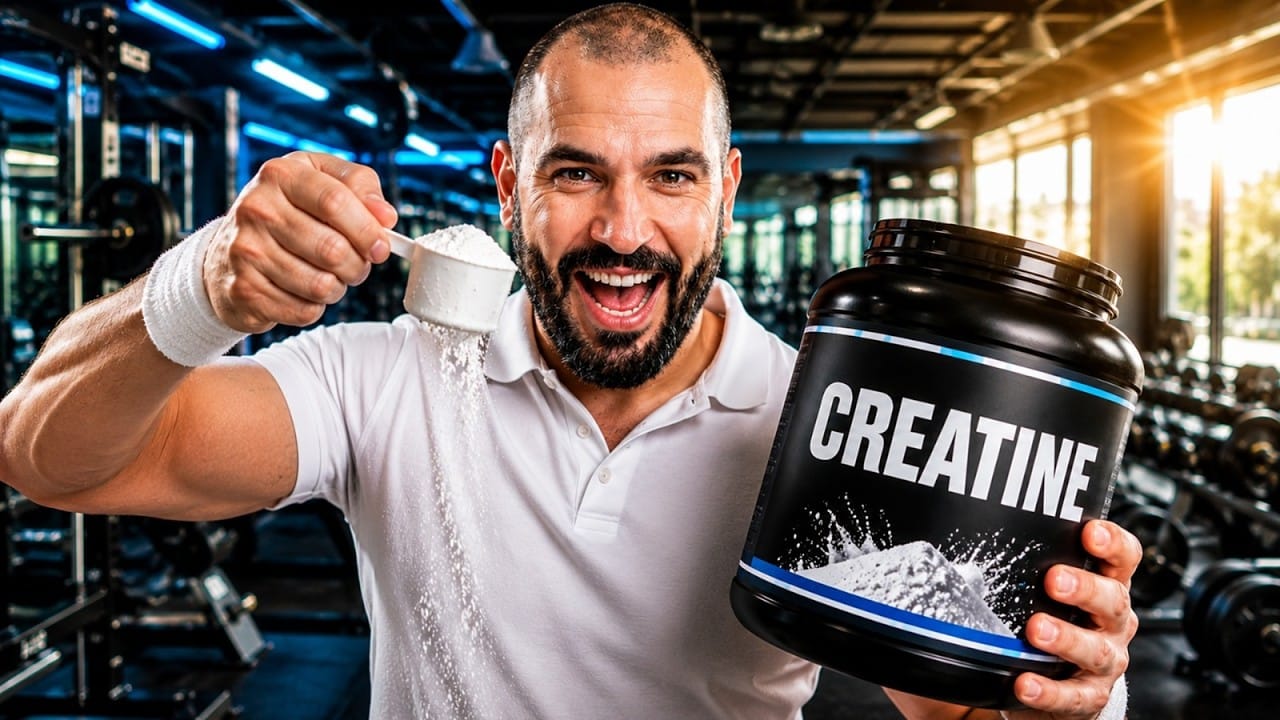
Creatine is officially one of the most thoroughly researched supplements in the entire world. But if you have had weight loss surgery or a gastric sleeve, is it actually safe? Could it negatively affect your sleeve, and is it even worth taking?
Recently, I’ve been seeing a massive spike in questions from gastric sleeve patients regarding creatine. Usually, these are patients who are doing exceptionally well. They’ve lost a good amount of weight, they are exercising consistently, they are trying to build up their strength, and naturally, they want to know if creatine can help take their results to the next level.
Let’s separate the facts from the myths and break down what bariatric patients need to know before adding creatine to their daily routine.
First, What Exactly is Creatine?
Let’s simplify this completely. Creatine is a naturally occurring compound found directly inside your muscle tissue. It is also found in the whole foods we eat, particularly red meat and fish.
In the medical and sports science community, it is one of the most widely studied and validated supplements for improving physical strength, explosive power, exercise performance, muscle preservation, and recovery.
Can Creatine Damage Your Gastric Sleeve?
Let’s answer the single biggest concern patients have right away: No, creatine will not damage your gastric sleeve.
Based on everything we currently know from a medical standpoint, there is absolutely zero evidence that creatine harms the sleeve itself. It does not stretch your new stomach, it does not compromise the staple line, it does not alter your anatomy, and it does not reverse your surgery. I know that is incredibly reassuring to hear.
Why Bariatric Patients are Asking For It
As we have discussed before, rapid weight loss is the primary goal after surgery, but losing fat often comes with a hidden side effect: muscle loss.
This is exactly why patients become interested in creatine. They are transitioning out of the phase where they just want to see a lower number on the scale. Instead, they are focused on:
● Staying physically strong
● Building dense lean muscle mass
● Significantly improving workout recovery
● Supporting their long-term metabolic health
If you are actively lifting weights, performing resistance training, and prioritizing your daily protein intake, the performance-boosting benefits of creatine become highly relevant to your body composition goals.
The Risks and Key Considerations
While creatine is generally very well tolerated by healthy individuals, bariatric patients have a few unique anatomical factors to keep in mind:
1. The Hydration Factor
Creatine works by pulling water directly into your muscle cells (cellular hydration). Because hydration can already be a daily battle for many post-op bariatric patients, you must be incredibly diligent about your fluid intake. If you don’t drink enough water while taking creatine, you run a real risk of dehydration.
2. Gastrointestinal Comfort
In some individuals, creatine can cause mild bloating, digestive discomfort, or an upset stomach. If your pouch is still highly sensitive, you must monitor how it reacts.
3. Kidney Health
If you have any history of kidney disease, renal insufficiency, or underlying kidney concerns, you must discuss creatine supplementation with your primary healthcare provider before taking your first dose.
Who is the Ideal Candidate?
Creatine is absolutely not a shortcut. It cannot—and will not—replace your daily protein targets, your structured workouts, deep sleep, and overall consistency. Those pillars remain the absolute bedrock of long-term bariatric success.
The patients who should genuinely consider creatine are typically several months or even years post-op. They are individuals who are:
● Actively engaged in resistance or strength training.
● Focused entirely on body composition rather than just chasing weight loss.
● Looking to protect their metabolism by preserving lean tissue.
For those dedicated patients, it is absolutely a conversation worth having with your bariatric care team.
The Bottom Line
Creatine will not harm your surgical tool, but like any supplement, it must be approached thoughtfully and strategically, not trend-hopped. The ultimate goal of this journey isn’t simply becoming a lighter person; it is building a healthier, stronger, and more resilient body for the rest of your life.
Ready to change your life? Click HERE to learn more about our $4,999 gastric sleeve special and start your journey today!