
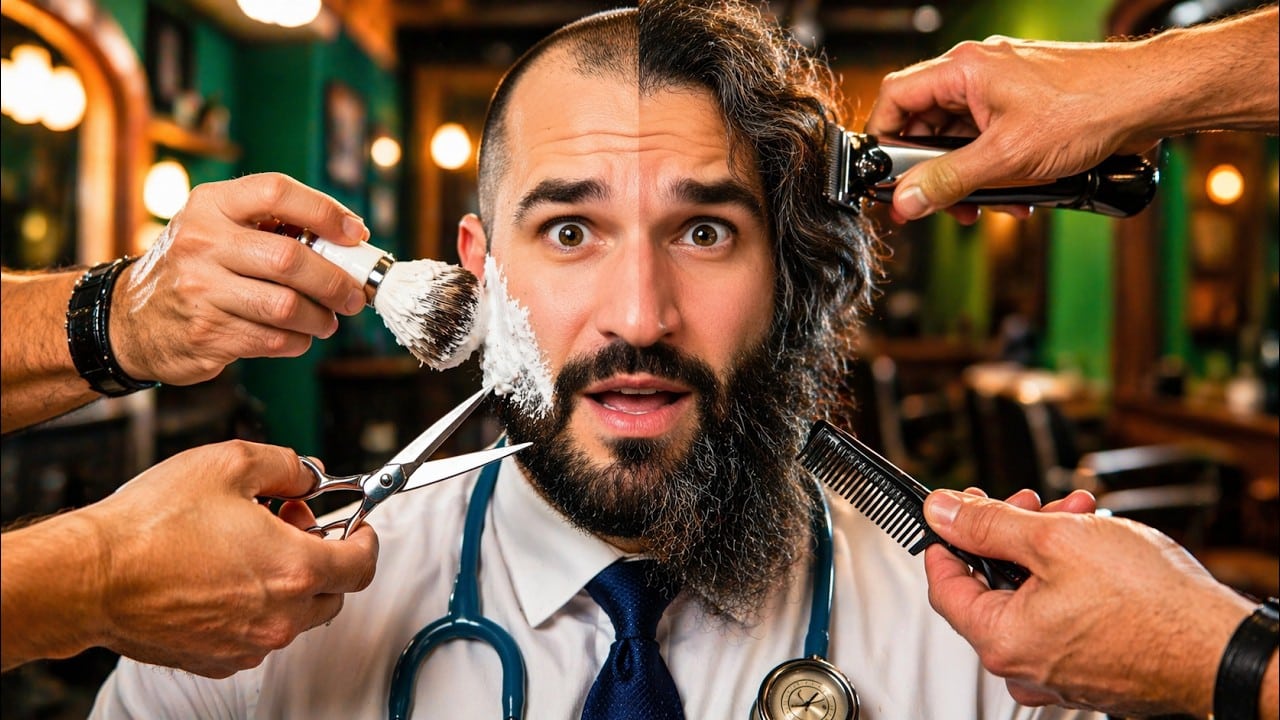
Seeing the numbers on the scale drop and feeling your clothes fit better are the milestones every bariatric patient celebrates. However, for many, that excitement is met with an unexpected challenge: noticing more hair in the brush or the shower drain. While hair thinning after a gastric sleeve can feel alarming, it is a well-understood physiological response to rapid transformation.
Understanding why this happens is the first step toward managing it effectively and ensuring your long-term success.
The Biological “Pause” Button
The primary cause of post-surgical hair loss is a condition known as Telogen Effluvium. Think of it as your body’s way of prioritizing resources. Following a major surgery and the subsequent rapid weight loss, your system enters a high-stress state. To focus all available energy on healing vital organs and adjusting to a new metabolic rate, the body temporarily “pauses” non-essential functions—including the hair growth cycle.
This shift sends a larger percentage of hair follicles into a resting phase. Because the hair typically stays in the follicle for a few months before shedding, most patients notice thinning roughly three to six months after their procedure.
4 Strategic Pillars to Minimize Hair Loss
While you cannot always prevent the initial “shift,” you can provide your body with the tools it needs to restart the growth cycle as quickly as possible.
1. Optimize Your Protein Intake
Hair is made of a protein called keratin. When your body is in a calorie deficit, it will divert protein away from your hair to support your muscles and organs. To combat this, you must meet your daily protein goals consistently. High-quality protein sources are the building blocks your body needs to maintain hair structure and strength.
2. Consistency in Supplementation
Bariatric vitamins are not optional. After a gastric sleeve, your body has a reduced capacity to absorb nutrients from food alone. Key micronutrients like Iron, Zinc, Biotin, and Vitamin B12 are essential for the hair follicle’s health. Missing even a few days of your regimen can lead to silent deficiencies that manifest as increased shedding.
3. Data-Driven Monitoring (Lab Work)
Do not guess when it comes to your health. Regular blood work is the only way to confirm if your nutrient levels are where they need to be. If you notice excessive thinning, check your labs for deficiencies in Iron or Zinc, as these are often the “hidden” culprits behind prolonged hair loss.
4. Caloric Balance
It is a common mistake to restrict intake too severely in an attempt to speed up weight loss. However, extreme restriction starves your follicles. Focused, nutrient-dense nutrition ensures that your body feels “safe” enough to resume secondary functions like hair growth.
The Path Forward
The most important takeaway is that this phase is temporary. As your weight stabilizes and your nutrition remains consistent, your hair follicles will naturally exit the resting phase and begin new growth. This thinning is not a sign that your surgery is failing; it is a sign that your body is working hard to adapt to a healthier you.
Stay disciplined with your habits, be patient with your body, and remember that this is just one small chapter in a much larger transformation.
If you want to know whether you qualify for gastric sleeve surgery, start with our quick twenty five second quiz. It is the first step toward your new life.
Take the 25 second quiz here!