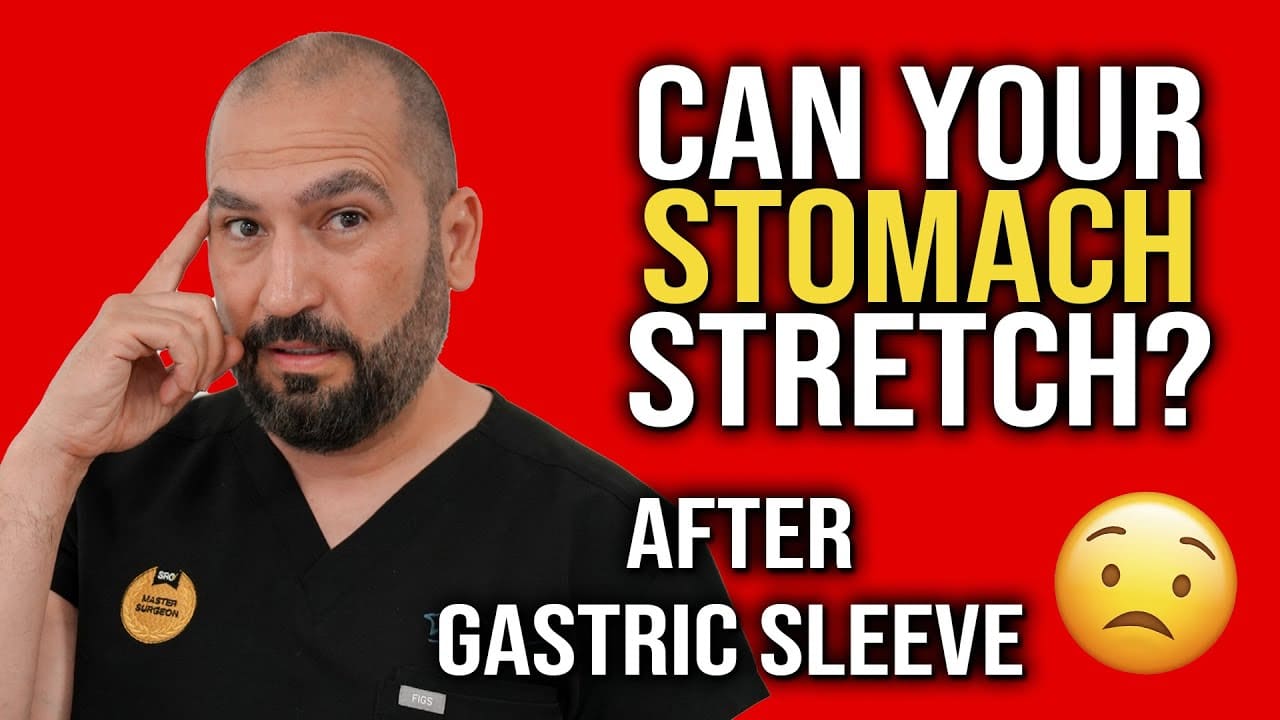
One of the most common fears patients have before gastric sleeve surgery is the idea that the stomach might stretch over time. Many people worry that if the sleeve stretches, the weight will return, the restriction will disappear, and all the effort will be lost.
The good news is that this fear is built on misunderstanding. The gastric sleeve does change during healing, but true stretching that causes major weight regain is rare. Most patients maintain strong restriction for years when they follow a simple structure.
This guide explains what really happens to the stomach after surgery, what normal healing looks like, and how to protect your results long term.
Does the stomach actually stretch after gastric sleeve surgery
The short answer is that the stomach can relax, but it does not return anywhere close to its original size. After surgery your sleeve is narrow, swollen, and very tight. As inflammation decreases and tissue heals, the stomach relaxes slightly. This is normal and expected.
This relaxation helps you eat comfortably again. It does not mean the sleeve is failing. It does not mean weight regain is automatic. It simply means your body is healing.
True overstretching is rare and typically caused by long term habits, not surgery failure.
Why the sleeve feels tighter at the beginning
Right after surgery, swelling makes the stomach feel much smaller than it really is. Even a sip or two can feel like a full meal. Over the next weeks, swelling goes down and the stomach moves into its natural post surgical shape.
This period can confuse patients. Many think the sleeve worked less later because they can eat more than in the first days. In reality, your stomach is returning to normal post op function.
Restriction remains. It simply becomes more comfortable.
How the body controls hunger after surgery
One of the biggest reasons the sleeve continues to work long term is that it removes the part of the stomach that produces most of the hunger hormone ghrelin. This hormonal change continues to reduce appetite even as the stomach heals.
Because appetite stays lower, most patients find that portion sizes remain naturally small, which protects against regain.
What can cause overstretching over time
While the sleeve is durable, certain habits can reduce the sense of restriction and create the illusion of stretching. These are the biggest contributors:
• Consistently overeating past fullness
• Snacking or grazing throughout the day
• Eating soft, high calorie foods that slide through easily
• Drinking with meals and washing food down
• Emotional eating patterns that ignore fullness cues
These habits do not stretch the stomach like a balloon. Instead they train the digestive system to pass food quickly, which weakens the feeling of fullness.
The sleeve itself remains structurally solid.
Signs your sleeve might feel less restrictive
Feeling less restriction can happen for several reasons that have nothing to do with stretching. These include:
• Eating too quickly
• Eating highly processed or soft foods
• Not prioritizing protein
• Drinking during meals
• Allowing meal portions to grow gradually
Most patients recover strong restriction the moment they return to slower eating and structured portions.
How to prevent stomach stretching and maintain long term results
The best way to protect the strength of your sleeve is to maintain habits that support digestion and fullness. These include:
• Eating slowly and stopping at the first signal of fullness
• Choosing solid proteins as the base of each meal
• Avoiding liquid calories that pass through without restriction
• Waiting thirty minutes after meals to drink fluids
• Keeping meals structured instead of grazing
These simple habits work with the sleeve’s natural anatomy and help your tool stay effective for years.
Can the sleeve ever stop working
Most people assume that weight regain means the stomach stretched. In reality, weight regain almost always comes from pattern changes, not stomach size changes. When habits slip, weight can rise again. When structure returns, weight loss typically resumes.
Even years after surgery, patients who follow the fundamentals continue to feel strong restriction and maintain their results.
The fear of stretching after gastric sleeve surgery is extremely common, but the real risk is much lower than people imagine. The stomach naturally relaxes during healing, but it does not return to its old size. Your sleeve stays small, effective, and supportive as long as you follow simple daily habits.
If you want to understand whether gastric sleeve surgery is right for you, take our quick twenty five second quiz. It is the first step toward the results you want.
Take the 25 second quiz here: https://bit.ly/EndobariatricQuiz