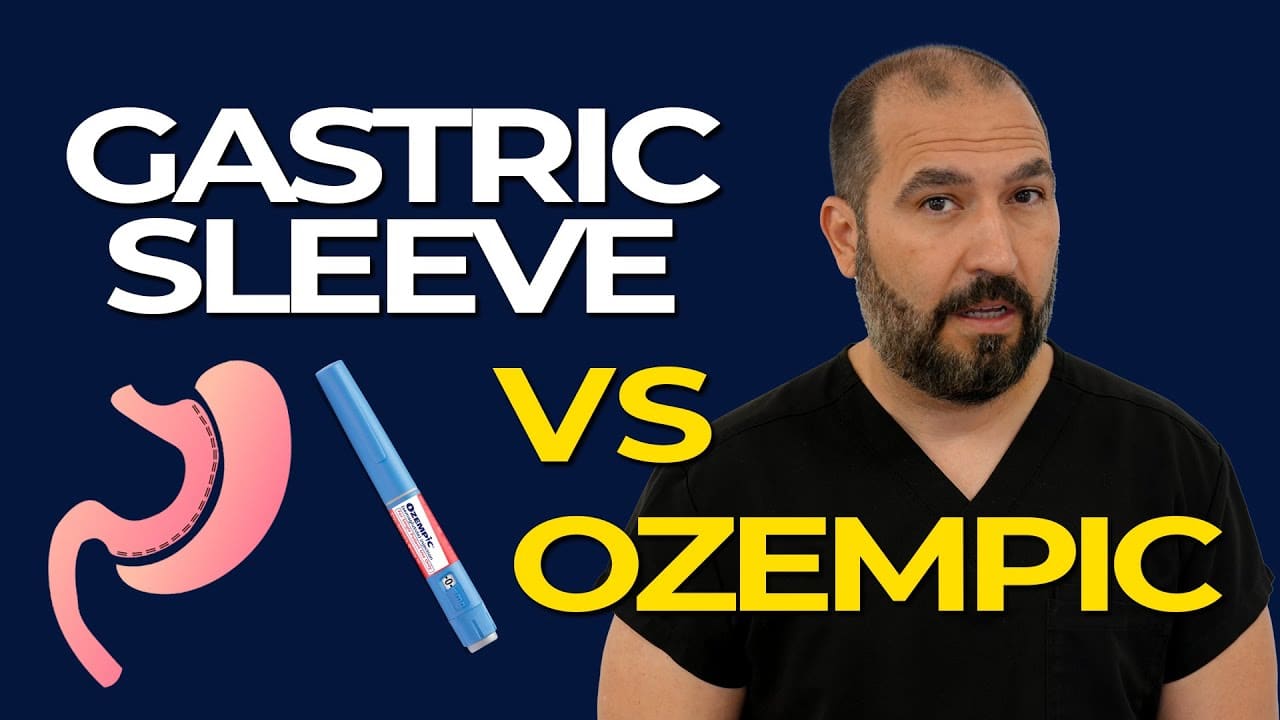
If you are trying to lose weight, two options usually rise to the top. Gastric sleeve surgery and GLP 1 medications like Ozempic or Wegovy. Both can help people lose a significant amount of weight, but they work in very different ways. The key question most patients search for is simple. Which one works better?
The truth is that each path has strengths and limitations. Understanding how they compare helps you choose the option that fits your goals, your lifestyle, and your long term health.
Below is a clear, honest breakdown based on real patient outcomes and years of clinical experience.
What Ozempic does and how it works.
Ozempic is a GLP 1 medication originally designed for diabetes. It slows digestion, reduces appetite, and helps control blood sugar levels. When used for weight loss, it lowers hunger and makes it easier to eat less.
Patients can expect steady weight loss as long as they continue taking the medication. Studies show that people lose weight while on the injection, but most regain a large portion once they stop. This is because the medication is doing the work. When the injection ends, hunger returns to normal and old patterns often come back.
Ozempic works best for people who want help with appetite control but are not ready for surgery or do not meet criteria.
What gastric sleeve surgery does and how it works.
The gastric sleeve is a permanent surgery that removes the part of the stomach that produces most of the hunger hormone ghrelin. It creates a smaller stomach that fills quickly and sends stronger fullness signals to the brain.
Unlike medication, the sleeve helps patients lose weight even without long term injections. Recovery takes time, but the metabolic changes created by the sleeve last for years. This is why gastric sleeve patients often lose more total weight and keep it off long term.
The sleeve also improves or resolves conditions like diabetes, sleep apnea, and high blood pressure.
Comparing the results
Most patients want to know which option produces stronger and more durable results. Studies and real world outcomes show a clear trend.
Patients on Ozempic usually lose between ten and fifteen percent of their body weight. Sleeve patients typically lose sixty to seventy percent of their excess weight. More importantly, the sleeve maintains those results long term while many patients on medication regain weight once they stop the injections.
Both options can work short term, but surgery is more likely to deliver a lasting transformation.
Which option works better long term.
If the goal is permanent weight loss, gastric sleeve surgery consistently outperforms GLP 1 injections. The sleeve changes metabolism, appetite, portion sizes, and hormones in a way that medications cannot match on their own.
Ozempic can be a helpful tool before or after surgery, but it does not replace the power of a physical and hormonal reset.
Cost comparison
Medication requires ongoing monthly payments. Many patients spend thousands of dollars per year on injections. Once the medication stops, hunger usually increases again and weight often returns.
The gastric sleeve is a one time investment that delivers long term results. There are no monthly injections, no subscription, and no ongoing medication cost for weight loss alone.
Lifestyle differences
Life after gastric sleeve surgery requires structure, mindful eating, and consistency during the first months. Patients adjust to portion sizes and develop new habits that support lasting success.
Life on Ozempic is different. Hunger is reduced while taking the medication, but the moment the injection is stopped, appetite increases again. This makes long term maintenance difficult unless the medication is continued indefinitely.
Many patients choose the sleeve because they want freedom from constant injections and want results that do not depend on a weekly dose.
Who should consider gastric sleeve surgery
The sleeve is often best for people who:
• Want permanent weight loss
• Struggle with hunger or portion control
• Have tried medications but regained weight
• Prefer a one time solution instead of lifelong injections
• Want improvements in diabetes, blood pressure, sleep apnea, or cholesterol
• Are ready for a major lifestyle change
Patients frequently choose surgery after realizing that they do not want to depend on Ozempic forever.
Who might consider Ozempic
Ozempic may be a good option if you:
• Need short term help with appetite
• Are not ready for surgery yet
• Do not qualify for surgery
• Want a temporary tool to help lose some weight before a major life event
Even then, medication works best when paired with solid habits.
Ozempic helps patients lose weight while they are on the medication, but it does not create the lasting metabolic changes needed for long term success. Gastric sleeve surgery continues to outperform medication in total weight loss, long term maintenance, and improvements in obesity related health conditions.
If you are deciding between the two, clarity begins with knowing whether you are a candidate for the sleeve. It only takes twenty five seconds to find out.
Take the 25 second quiz here: https://bit.ly/EndobariatricQuiz