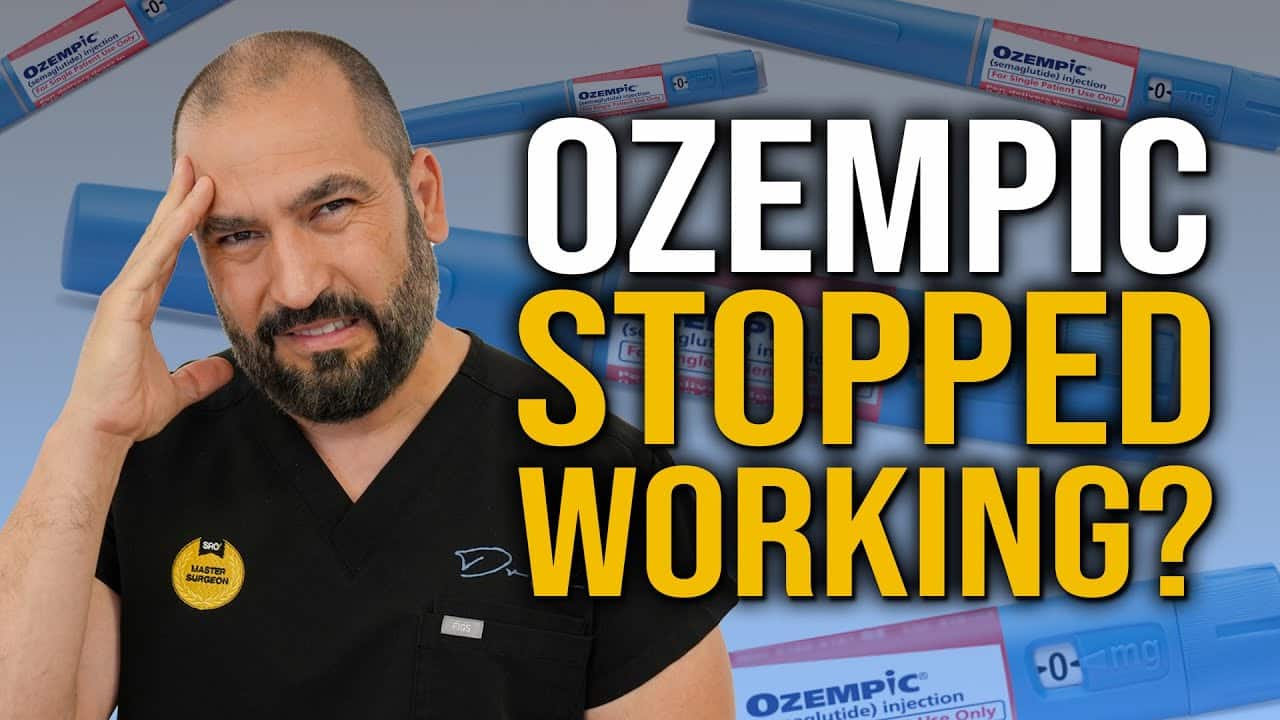
Many people start Ozempic or similar GLP 1 medications with hope. Hunger decreases, weight begins to drop, and everything feels easier. Then, at some point, the progress slows. For some, the weight loss stops completely. Others even begin gaining weight despite continuing the injections.
If this sounds familiar, you are not alone. A large percentage of patients hit this plateau. GLP 1 medications are useful tools, but they are not permanent solutions. When they stop working or lose their effectiveness, the frustration can be overwhelming.
This guide explains why progress slows with Ozempic and why the gastric sleeve is often the next logical step for people who want long term, reliable results.
Why Ozempic stops working for many people
GLP 1 medications affect appetite, digestion, and blood sugar. These effects support weight loss, but the body adapts over time. The more the body adjusts, the less dramatic the results become.
Here are the most common reasons patients hit a wall.
Tolerance builds slowly
The body learns to work around the medication. Hunger returns, and the appetite control feels weaker.
Weight loss slows as the dose stabilizes
Once you reach your maximum tolerated dose, the medication cannot be increased further. If the dose is no longer strong enough to suppress appetite, weight loss stalls.
Lifestyle habits catch up
Soft foods, calorie dense snacks, and liquid calories bypass the appetite reduction that Ozempic creates.
The medication only works while you use it
If you stop taking it, hunger returns quickly. Many patients regain weight within months.
Ozempic can help with early momentum, but it rarely creates the long term metabolic changes needed for permanent success.
Why the gastric sleeve works when Ozempic does not
If you feel stuck on GLP 1 medication, the gastric sleeve offers several advantages that medication simply cannot provide.
1. The sleeve removes most of the hunger hormone
Ozempic temporarily reduces appetite. The sleeve permanently lowers ghrelin, the hormone responsible for intense hunger. Patients often describe the change as life changing.
2. The stomach becomes physically smaller
You feel full sooner and stay full longer. This is a durable and predictable form of restriction.
3. The results do not depend on injections
Once the surgery is done, there is no weekly dose, no refill, and no rising costs.
4. The sleeve creates long term metabolic changes
Many patients see improvements in blood sugar, cholesterol, inflammation, and insulin resistance.
5. The sleeve offers higher total weight loss
On average:
• Ozempic users lose ten to fifteen percent of their body weight.
• Gastric sleeve patients lose sixty to seventy percent of excess weight.
This difference is massive for long term health.
6. Weight regain is easier to control after surgery
Even if weight fluctuates years later, patients can almost always get back on track with small habit changes because the tool remains in place.
Signs you might be ready to move from Ozempic to gastric sleeve
You may be a strong candidate for surgery if you notice any of the following:
• Your weight loss stopped months ago
• You are gaining weight again
• Your hunger has returned
• You are tired of weekly injections
• You do not want to take medication forever
• The cost is becoming difficult to maintain
• You want a permanent solution instead of temporary appetite suppression
Many people arrive at surgery after realizing that medication alone cannot give them the life they want.
Can you combine Ozempic and gastric sleeve
Yes. Many patients use Ozempic either before or after surgery. Before surgery, it can reduce liver size and make the procedure safer. After surgery, it can help with short term appetite support if needed. The difference is that with the sleeve, medication becomes optional instead of required.
What the long term looks like with surgery
Most gastric sleeve patients report:
• Stable appetite
• Smaller portions
• Better relationship with food
• Consistent weight loss
• Long term maintenance
• Improvements in health and energy
• A life no longer built around injections or medication schedules
The path becomes significantly more predictable.
If Ozempic has stopped working, stalled, or lost its impact, it does not mean you failed. It means the medication reached its limit. The gastric sleeve offers a long term solution with stronger appetite control, higher total weight loss, and results that do not depend on a weekly injection.
If you want clarity on whether surgery is the next step for you, start here. It takes only twenty five seconds.
Take the 25 second quiz here: https://form.typeform.com/to/ha1e7PGo?typeform-source=bit.ly